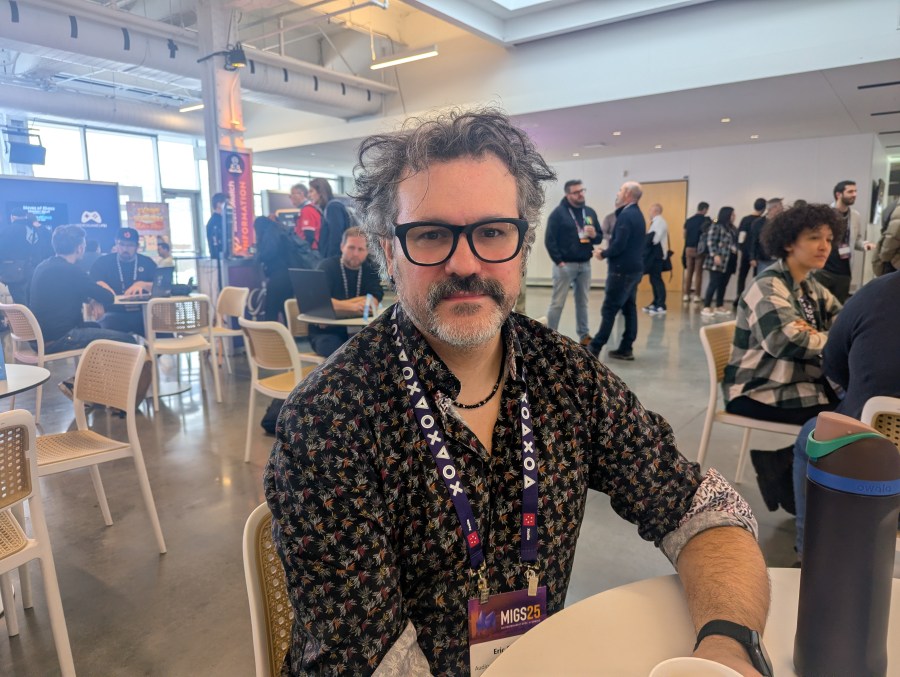
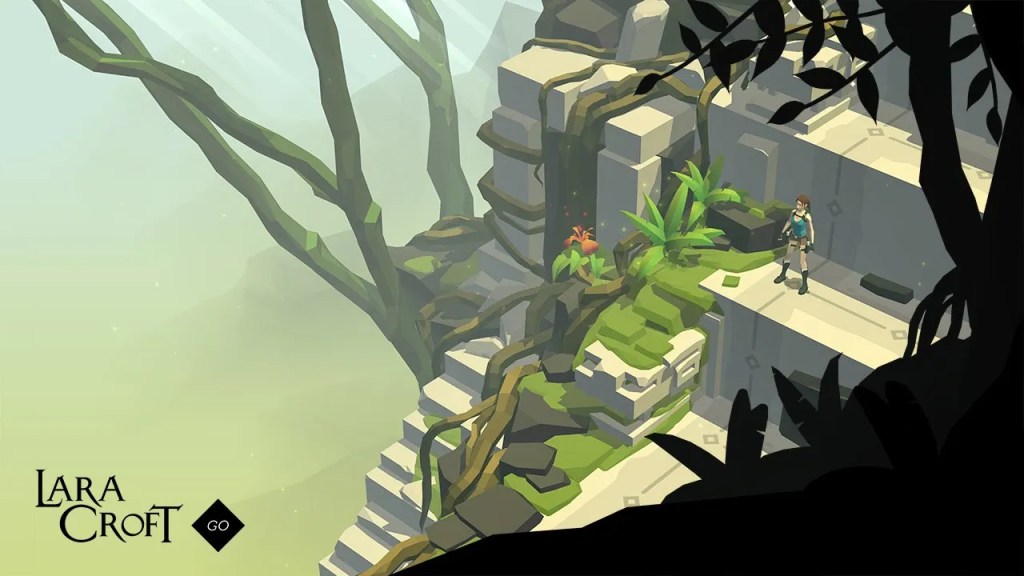
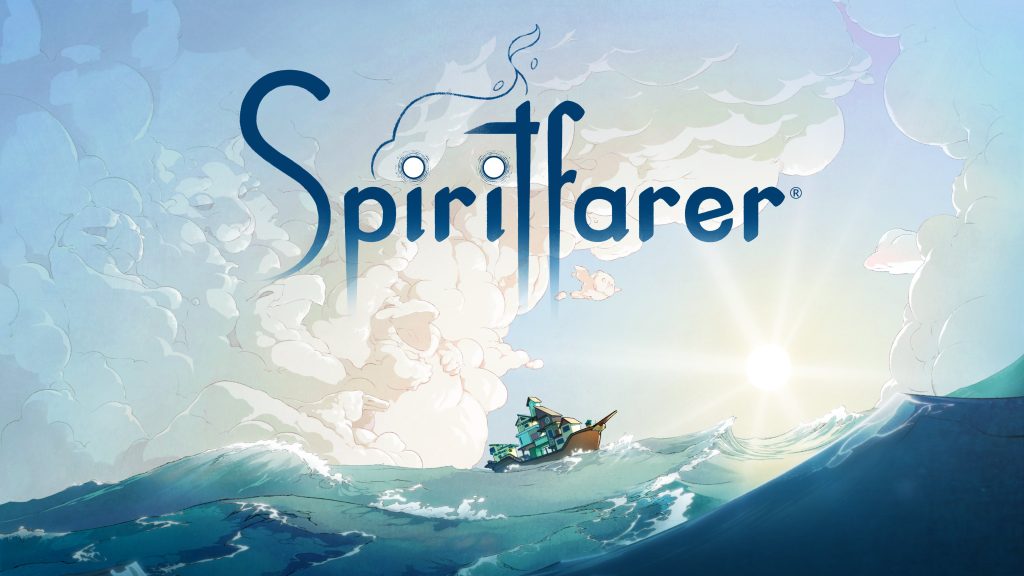
At MIGS25 I had the pleasure of chatting with Eric Shaw, co-founder and composer at Pixel Audio, to talk about his twelve-year journey blending music, technology, and storytelling. From his early years as a Jazz pianist to Entrepreneur, Shaw’s creative path has taken him from touring with bands to shaping the soundscapes of major games like Dead Space, Lara Croft Go, Spiritfarer, and the upcoming Heavy Gear 3. “I started Pixel Audio because there were so many games being made in Montreal,” he explained, “and I wondered—why not a Montreal composer?”
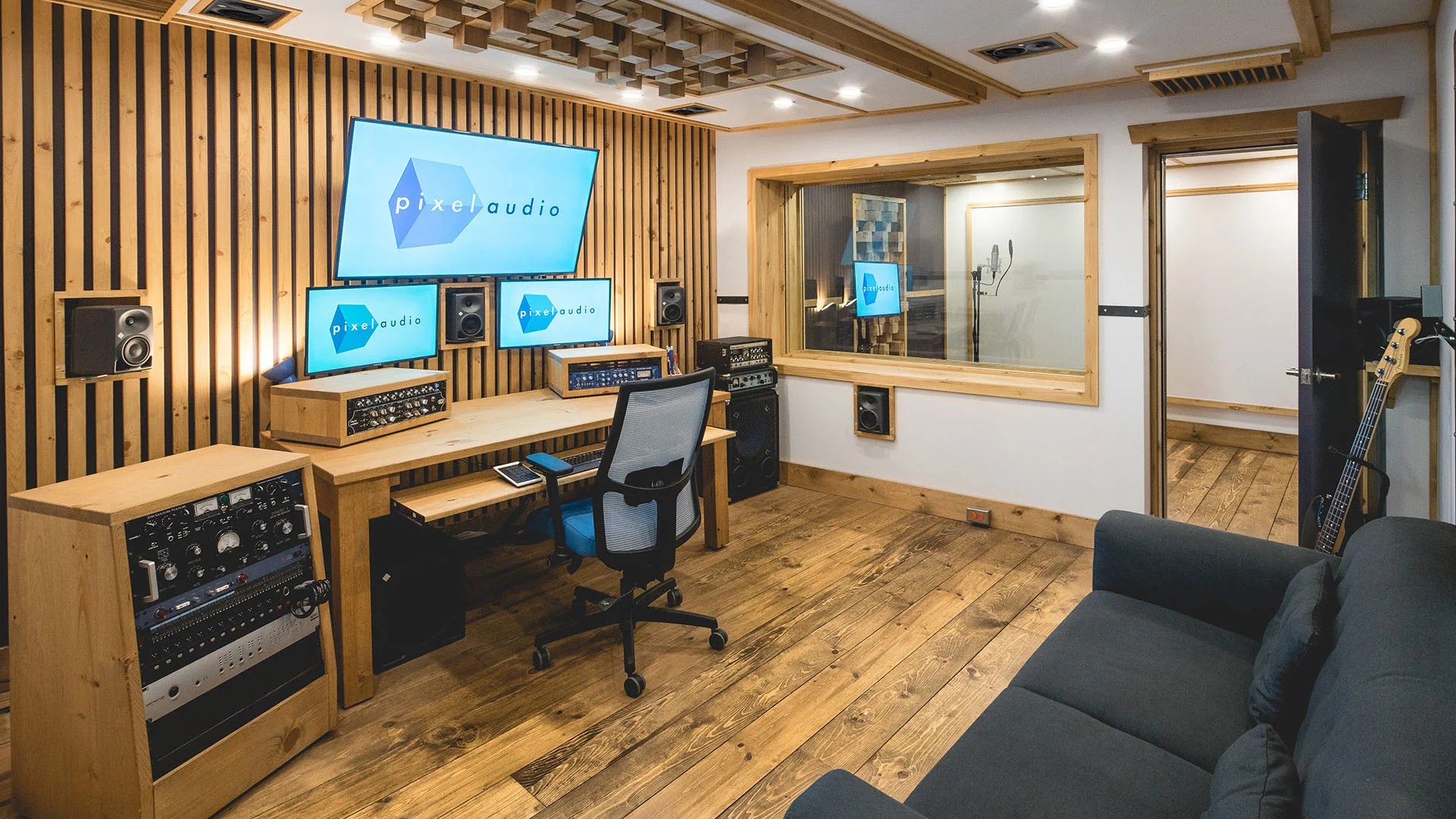
Over the years, Shaw’s company has grown into a full audio production house, handling everything from composition to sound design and in-engine integration. But make no mistake he’s still a composer at heart. His credits span everything from AAA titles to indie gems, and even an ambitious French-language fiction podcast filled with magic, battles, and cinematic sound.
His passion for crafting immersive worlds through audio came through clearly as he described Dead Space’s haunting soundtrack work. He created an intricate blend of Jason Graves’ and Trevor Gureckis’ compositions, rebuilt from raw orchestral takes to create a seamless, dynamic score that evolves with player movement.

When he’s not scoring games or films, Shaw is also a gamer and family man. He spoke fondly about sneaking in short sessions of Ghost of Yōtei after his kids are asleep, and his love for indie titles like Silksong and classic puzzle games. His enthusiasm for sound design mirrors his appreciation for the artistry behind games and how every audio cue, from the hum of a corridor to the swell of a string section, can shape emotion and narrative.
Looking ahead, Shaw teased new projects including Heavy Gear 3, which draws inspiration from Ennio Morricone and features an unexpected instrument: the pan flute. He’s also working on film scores and a piano album he hopes to perform live.
For anyone passionate about game audio or just curious about how the heartbeat of a game is composed this conversation is a must-listen. You can listen to the full interview above, where Shaw dives deeper into his creative process, his synth obsession, and why music remains the soul of every great gaming experience.
 Serious/Gamer